Natural Remedies for Sunburn
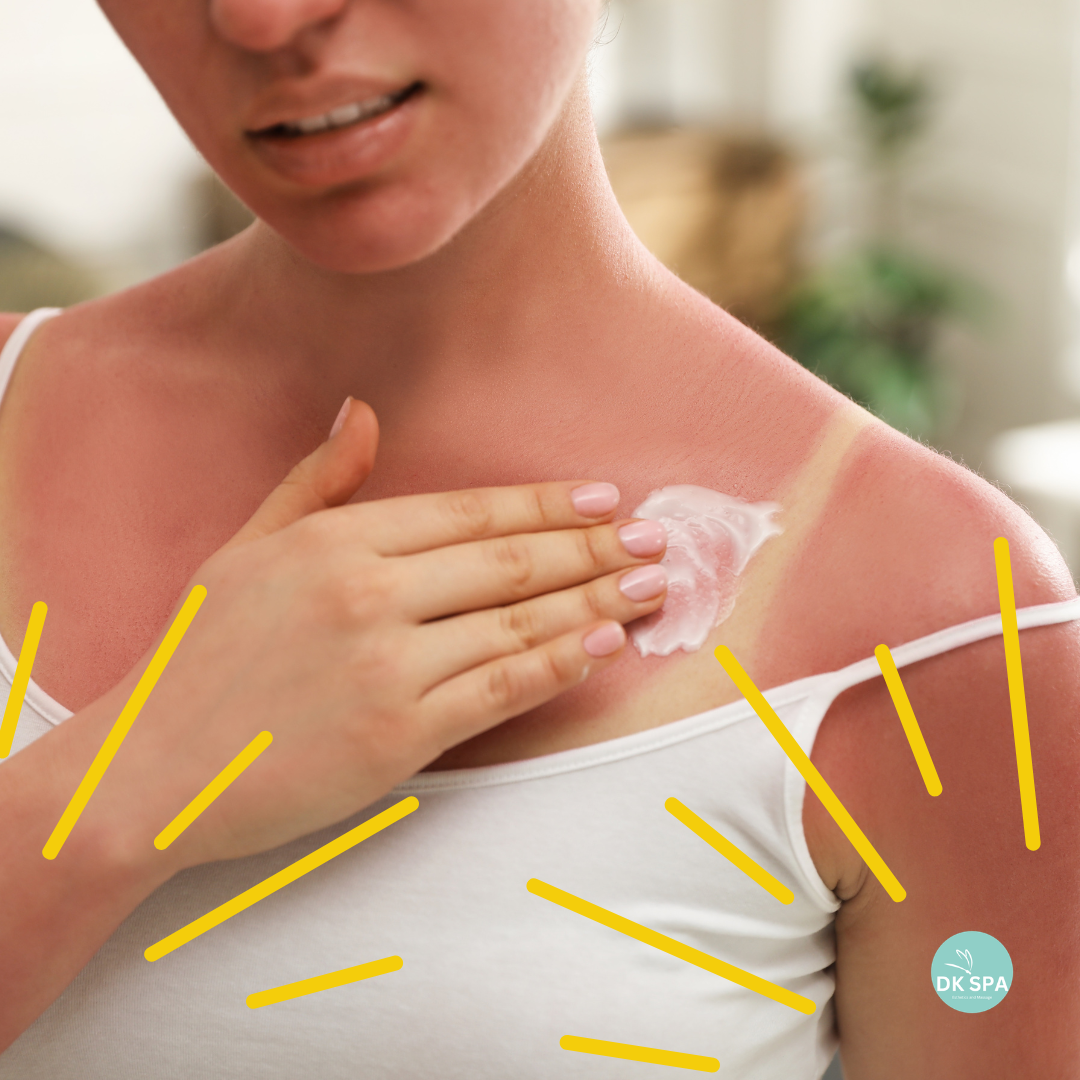
Sunburn is a common yet painful consequence of spending too much time in the sun. While a sunburn might seem like a temporary inconvenience, its effects can last for days and may cause long-term skin damage. Whether it's the result of a day at the beach or an afternoon hike, sunburns can leave your skin feeling hot, red, and irritated.
Although there are many over-the-counter products that promise relief, natural remedies can offer soothing and effective alternatives without the harsh chemicals. From cooling aloe vera to hydrating coconut oil, nature provides a range of healing solutions that can help calm your skin and speed up recovery.
In this post, we’ll explore some of the best natural remedies for sunburn that you can easily incorporate into your after-sun care routine. Whether you’re looking for a cooling treatment or a way to deeply hydrate your skin, these remedies will help restore your skin’s health and comfort.
1. Aloe Vera: Nature's Soothing Gel
Aloe vera is one of the most popular natural remedies for sunburn, and for good reason. This plant has been used for centuries to treat skin irritation, burns, and wounds. Its gel-like consistency is not only cooling but also packed with compounds that can promote healing. Aloe vera contains antioxidants, enzymes, and vitamins that help reduce inflammation, which makes it particularly effective for soothing the redness and discomfort of sunburn.
How to Use It:
To reap the benefits of aloe vera, apply fresh aloe vera gel directly to the sunburned areas. If you don’t have a fresh aloe vera plant on hand, you can also use a store-bought product with a high percentage of pure aloe vera. Make sure the product doesn't contain alcohol, as it can dry out the skin.
2. Coconut Oil: Moisturizing and Healing
Coconut oil is another effective remedy for sunburn relief. It’s rich in fatty acids, such as lauric acid, which have both moisturizing and anti-inflammatory properties. This makes coconut oil ideal for rehydrating your skin while calming the irritation caused by sunburn. Additionally, its natural antioxidants can help protect skin cells from further damage.
How to Use It:
Once the initial heat from the sunburn has dissipated (usually after a day or two), apply coconut oil generously to the affected areas. Be mindful not to use it immediately after getting sunburned, as it can trap heat in the skin, potentially worsening the burn.
3. Oatmeal Baths: Calming and Cooling
Oatmeal isn’t just a great breakfast option; it also works wonders for irritated skin. Oatmeal contains compounds called avenanthramides, which have anti-inflammatory and antioxidant properties that can help soothe itching and redness. An oatmeal bath can provide your skin with a much-needed relief while rehydrating and softening it.
How to Use It:
To make an oatmeal bath, add a cup of colloidal oatmeal (finely ground oatmeal) to a cool bath. Soak in the bath for 15-20 minutes to relieve itching and reduce inflammation. This is a gentle, natural option that can help calm the skin without the use of harsh chemicals.
4. Green Tea: Antioxidants to the Rescue
Green tea is packed with antioxidants, particularly polyphenols, which help fight free radicals that can damage the skin. The anti-inflammatory properties of green tea can reduce swelling and redness associated with sunburn. Additionally, the tannins in green tea can help constrict blood vessels and alleviate pain.
How to Use It:
Brew a strong cup of green tea and allow it to cool completely. Once cooled, use a clean cloth to apply the tea to the sunburned skin. You can also place the tea in a spray bottle and spritz it directly onto the affected area for a refreshing effect.
5. Cucumber: Hydrating and Cooling
Cucumber isn’t just for your salad; it’s a natural way to cool and hydrate your skin. With its high water content and anti-inflammatory properties, cucumber helps reduce swelling and provides a refreshing, cooling sensation that can alleviate the discomfort of a sunburn.
How to Use It:
Slice a cucumber and place the slices directly on the sunburned skin. You can also blend the cucumber into a paste and apply it as a soothing mask. Let it sit for 15-20 minutes to enjoy its cooling benefits.
6. Lavender Essential Oil: Healing and Relaxing
Lavender essential oil is not only relaxing but also offers potent healing properties for the skin. It contains compounds that can help reduce redness and inflammation, and its antimicrobial properties make it ideal for preventing infection in damaged skin. Additionally, the calming scent of lavender can help you relax and de-stress, which is essential for recovery.
How to Use It:
Dilute a few drops of lavender essential oil with a carrier oil (like coconut or olive oil) and gently massage it onto the sunburned area. Be sure to avoid applying undiluted essential oils directly to your skin, as they can cause irritation.
7. Apple Cider Vinegar: Balancing Skin pH
Apple cider vinegar (ACV) is known for its ability to restore the skin's pH balance, which can be disrupted by sunburn. It also has mild antiseptic properties that help prevent infection. While it may sting a little when first applied, ACV can help cool the skin and alleviate the heat associated with a sunburn.
How to Use It:
Dilute apple cider vinegar with water in a 1:1 ratio and apply it to the affected area using a cotton ball or cloth. Avoid using this remedy on broken skin or open blisters, as it can cause irritation.
8. Avoiding Further Sun Exposure
While natural remedies are effective for soothing sunburn, the most important step is to prevent further sun damage. If you’re dealing with a sunburn, it’s crucial to stay out of the sun until your skin has fully healed. Always apply a broad-spectrum sunscreen with at least SPF 30 to protect your skin in the future, and consider wearing protective clothing such as hats and long sleeves when outdoors.
Natural remedies can be a gentle and effective way to soothe sunburns and support your skin’s recovery. From the cooling properties of aloe vera to the hydrating effects of coconut oil, these remedies can help reduce pain, inflammation, and redness, promoting healthier skin in the process. While these treatments are beneficial, remember that severe sunburns may require medical attention. Always listen to your skin and take steps to protect it from further sun exposure.