At-Home Spa Tools: Are They Worth It? A Pro’s Take on What Works (and What Doesn’t)
At-Home Spa Tools: Are They Worth It?
Over the past few years, the beauty world has seen an explosion of at-home skincare tools. From crystal rollers to light-up LED masks, there are more options than ever promising spa-level results without leaving your bathroom. It is easy to see why these tools are popular. They are convenient, often less expensive than regular treatments, and can make self-care feel more accessible.
But with so many tools on the market and lots of mixed reviews, it can be hard to know what is actually worth trying. As a licensed esthetician, I am often asked which tools are truly helpful and which ones are better left on the shelf. In this post, I will walk through some of the most popular at-home skincare tools and share my honest take on what works, what does not, and how to safely use them if you decide to give them a try.
Let’s get into it.
Facial Rollers: A Simple Tool with a Soothing Touch
Facial rollers, often made from jade or rose quartz, have become a staple in many skincare routines. They are known for their cooling feel and promise to reduce puffiness, improve circulation, and help products absorb more effectively.
The truth is, facial rollers can be a helpful addition to your skincare routine, especially when used consistently. They are not miracle workers, but they do offer a calming ritual that can temporarily de-puff the skin and give your face a more refreshed appearance.
If you decide to use a facial roller, try storing it in the fridge for an added cooling effect. Use gentle, upward strokes, starting at the center of your face and moving out toward the edges. For best results, pair it with your favorite serum or facial oil to help the roller glide smoothly over the skin and boost absorption.
It is a small step, but sometimes those are the ones that make the biggest difference in how you feel.
Gua Sha: Sculpting with Intention
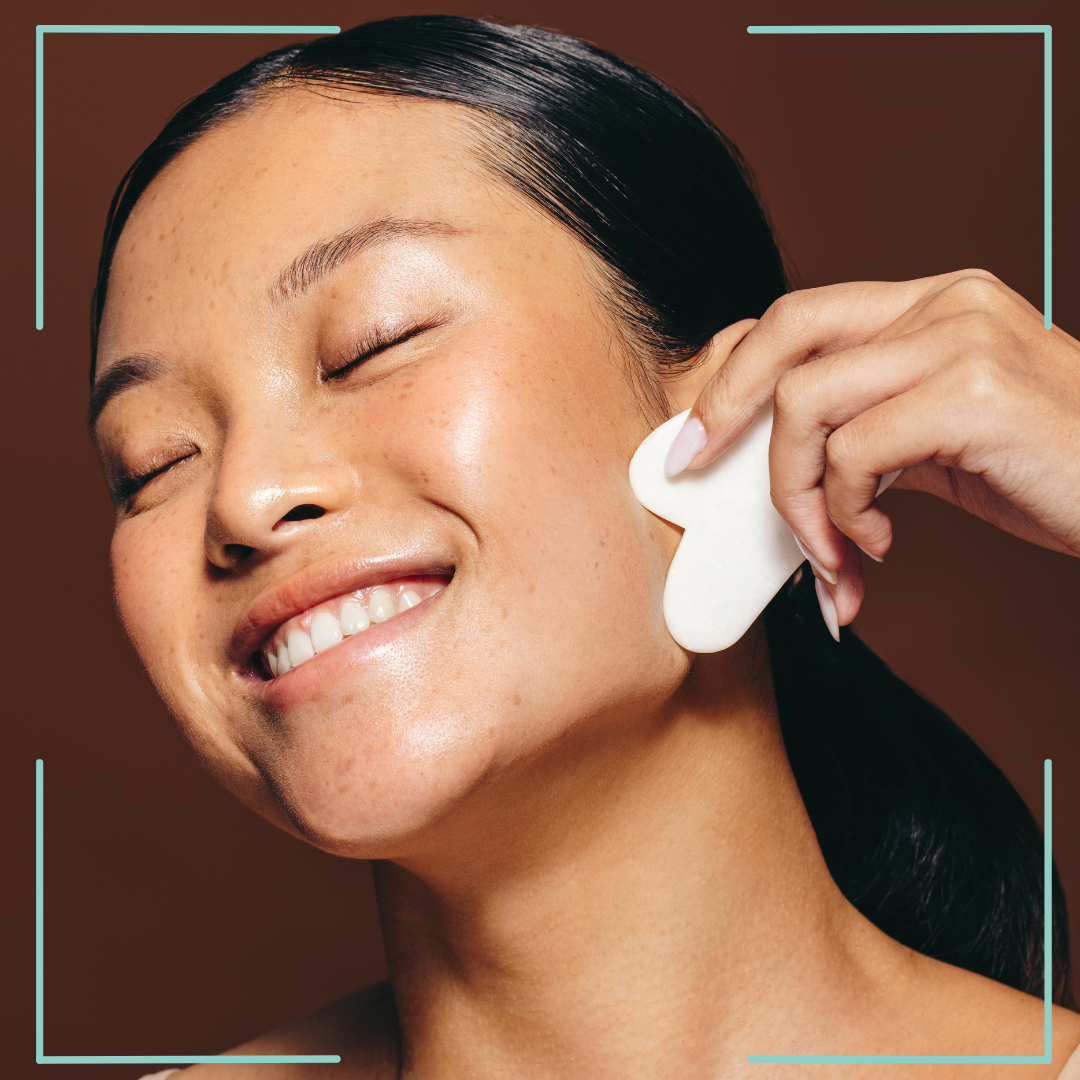
Gua Sha is another tool that has gained a lot of attention, and for good reason. These flat, often heart-shaped stones are used to gently scrape the skin in slow, sweeping motions. The goal is to release facial tension, encourage lymphatic drainage, and promote a more lifted, sculpted appearance.
When done correctly and regularly, Gua Sha can help your skin look more refreshed and defined. It is especially helpful for people who carry tension in their jaw or brow area, or for anyone who wants to give their skin a healthy, natural glow.
To use a Gua Sha stone at home, always start with a clean face and apply a facial oil so the tool glides easily. Use light pressure and gentle upward motions, following the contours of your face. Be extra careful around sensitive areas like under the eyes.
It may take some practice to get the technique right, but once you do, this tool can become a relaxing part of your skincare routine and a daily reminder to slow down and care for yourself.
LED Light Therapy Masks: High-Tech Skincare at Home
LED masks look futuristic, and their promises are just as bold. These wearable devices use different light wavelengths to target concerns like acne, fine lines, and uneven skin tone. Red light is often used for anti-aging and collagen support, while blue light is meant to help with breakouts.
The technology behind LED therapy is real, and professional versions are used in spas and dermatology clinics. At-home versions can be effective, but results tend to be more subtle and take longer to appear. Consistency and quality are key.
If you are thinking about trying one, look for a mask that is FDA-cleared and has good reviews from trusted sources. Follow the instructions closely, and do not expect overnight miracles. These devices are best used as a supplement to regular facials and good skincare habits, not a replacement.
LED therapy can be a helpful addition if used with patience and realistic expectations, especially for those looking to support long-term skin health from home.
Microcurrent Devices: A Workout for Your Face
Microcurrent devices are often described as giving your face a mini workout. They use low-level electrical currents to stimulate facial muscles, with the goal of lifting, toning, and firming the skin. Some users report a more defined jawline or cheekbones with regular use.
These devices can be effective, but they require consistency and proper technique. You won’t see lasting results from using one once or twice. Most people need to commit to several sessions per week, especially at the beginning.
To use a microcurrent device at home, you’ll need a conductive gel to help the current move safely and effectively across your skin. Follow the instructions carefully, go slow, and start with clean, well-moisturized skin.
If you are willing to stick with it, this tool can be a nice complement to your spa treatments. Think of it as a way to maintain your results between professional services, not a substitute for them.
At-Home Extraction Tools: Proceed with Caution
Pore vacuums and extraction tools might seem like a quick fix for blackheads and clogged pores, but they come with a warning. While the idea of deep-cleaning your skin at home is tempting, these tools can cause more harm than good if used improperly.
The skin on your face is delicate, especially around the nose and cheeks. Aggressive suction or poking with metal tools can lead to irritation, broken capillaries, or even scarring. Even with the right technique, it is easy to overdo it.
That is why extractions are best left to trained professionals who can do them safely during a facial. At DK Spa, we prep the skin with steam, soften buildup, and use sterile tools to avoid damage. We also know when not to extract, which is just as important.
If you are dealing with blackheads or congestion, a consistent routine that includes exfoliation, hydration, and the occasional professional facial is a safer and more effective path.
Facial Steamers: A Gentle Boost When Used Wisely
Facial steamers bring that warm, spa-like feeling right into your home. They help open up pores, soften skin, and can make it easier for products to absorb. When used properly, they can be a relaxing and beneficial part of your skincare routine.
The key is moderation. Too much steam or using it too frequently can lead to dryness or irritation, especially if you have sensitive skin or conditions like rosacea. Once a week is usually enough, and sessions should last no more than ten minutes.
Always start with a clean face, and keep the steamer at a comfortable distance to avoid overheating your skin. Follow up with a hydrating mask, serum, or moisturizer to seal in moisture and soothe the skin.
A facial steamer can be a helpful tool for gentle exfoliation and deep cleansing, but it should be used as a treat, not a daily habit.
Final Thoughts: Tools Are Helpful but They Are Not a Replacement
At-home spa tools can be a fun and helpful way to support your skin between professional treatments. Some are worth the investment when used consistently and correctly, while others might be better left behind. The most important thing is understanding what each tool can realistically do and how it fits into your overall routine.
Nothing can fully replace the benefits of a hands-on facial, a custom massage, or expert skincare advice tailored to your skin’s needs. At DK Spa, we are always happy to answer questions about at-home tools and help you choose what works best for your skin.
If you are ever unsure or just want to talk skincare, book a facial or consultation. We are here to help you glow and relax, no matter where you are on your journey.