The Science of Relaxation: What Actually Happens in Your Body During Massage and Facials
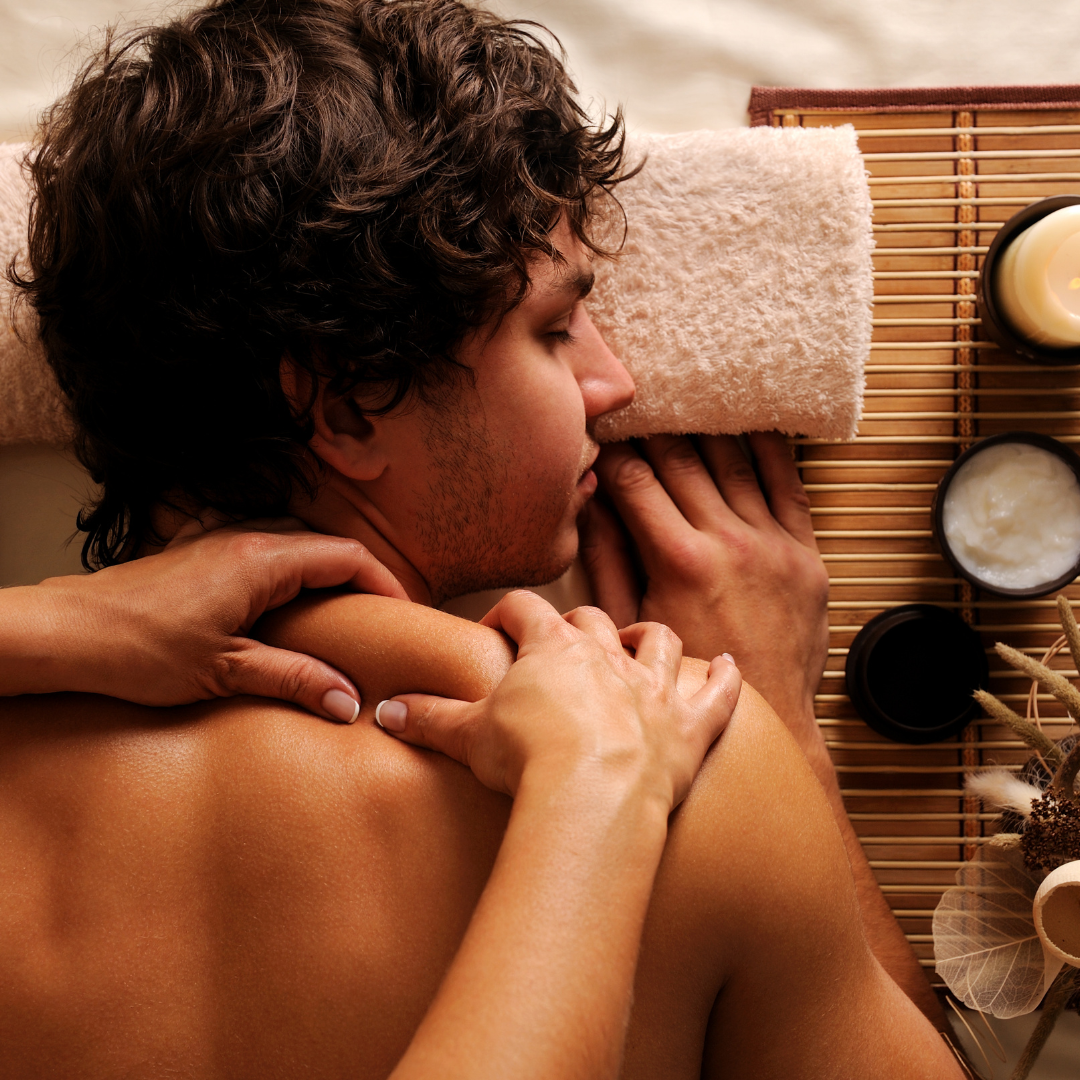
In a world where stress feels constant, relaxation is often treated like a luxury. But science shows that treatments like massage and professional facials are not just about feeling good in the moment. They create measurable changes in your nervous system, circulation, and stress hormones.
At DK Spa, we see this every day. Clients walk in feeling tight, tired, and overwhelmed. They leave calmer, clearer, and physically more comfortable. And research backs up why that happens.
Your Nervous System: Why Touch Changes Everything
Your body runs on two main stress-response systems:
• Sympathetic nervous system – fight or flight
• Parasympathetic nervous system – rest and repair
When stress is constant, your body stays stuck in “go mode.” Massage helps shift you back toward recovery mode.
Research shows massage can:
Increase parasympathetic (relaxation) activity
Lower heart rate and blood pressure
Reduce muscle tension and improve emotional state
Some clinical studies also show that massage can lower cortisol (your main stress hormone) and improve sleep quality and anxiety levels.
Even shorter sessions can trigger measurable changes in heart rate variability, a marker tied to stress recovery and nervous system balance.
What this means for real life:
You are not just “relaxing.” Your body is literally shifting into healing mode.
Stress Hormones: Why You Feel Lighter After a Session
Stress is not just mental. It is chemical.
Studies looking at massage therapy show decreases in:
Cortisol
Blood pressure
Heart rate
Perceived stress levels
Other research shows that massage and heat therapies can support relaxation of the autonomic nervous system overall.
When stress hormones drop, clients often report:
Better sleep
Less tension headaches
Fewer stress breakouts
Improved mood
This is why consistent care works better than “once in a while” self-care.
Facials and Skin Health: It’s More Than Just Glow
Professional facials combine skincare chemistry with manual techniques like facial massage and lymph movement.
Research shows short facial massage sessions can increase local skin blood flow for at least 10 minutes after treatment, while consistent use can improve vascular response over time.
Why circulation matters:
Brings oxygen and nutrients to skin cells
Supports healing and repair
Helps skin look brighter and more energized
Facial massage and lymph-style techniques may also help reduce fluid retention and puffiness by supporting fluid movement and circulation.
The Mind-Skin Connection Is Real
When your nervous system calms down:
Inflammation signals can decrease
Muscle tension in the face softens
Skin barrier recovery improves
Breakouts related to stress may calm down
This is why many clients see skin improvement when they combine professional treatments with stress management.
Why Consistency Beats “Emergency Self-Care”
Think of massage and facials like exercise or hydration. One session helps. Consistency creates change.
Regular treatments help:
Train your nervous system to recover faster
Maintain skin barrier strength
Support circulation and lymph movement
Reduce chronic tension patterns
At DK Spa, we focus on realistic self-care rhythms, not perfection.
The Bottom Line
Relaxation is not lazy. It is biological maintenance.
Massage helps regulate your nervous system and stress hormones. Facials support circulation, skin function, and long-term skin health. Together, they support whole-body wellness.
And maybe most importantly, they give you space to reset.
If You’ve Been Waiting for a Sign to Book
This is it.
Your body and skin are always responding to your stress level, sleep, hydration, and environment. Professional treatments help reset that cycle and support long-term wellness, not just short-term glow.