A Gentle Reset for Winter Skin: Understanding Hydration vs. Moisture
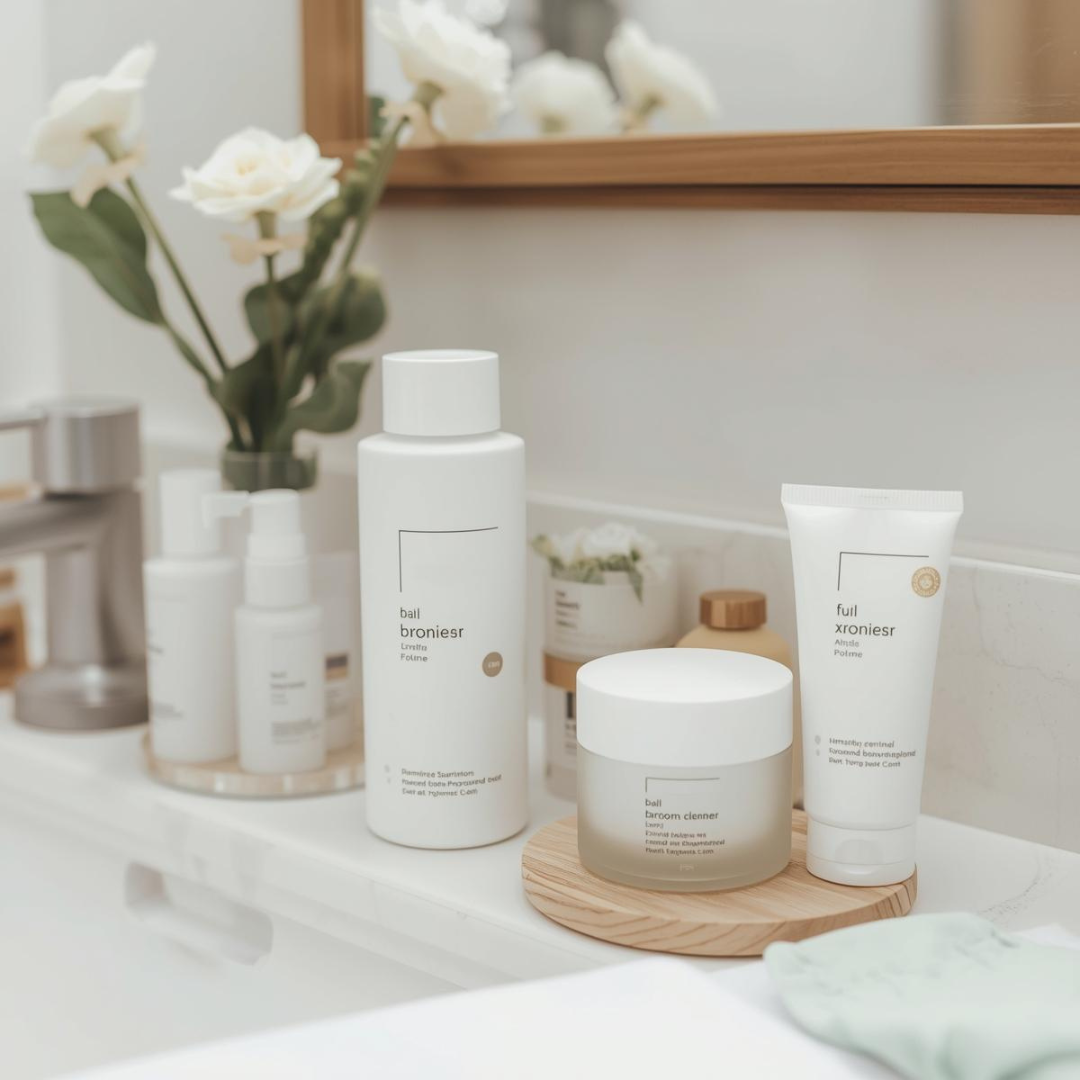
A Gentle Reset for Winter Skin Starts with Understanding
By mid January, many people feel like they have already tried to reset their skin. Moisturizers have been swapped, routines simplified, and yet something still feels off. Skin may look dull, feel tight, or fluctuate between dryness and sensitivity. This is often a sign that the skin does not need more products, but more understanding.
A gentle reset is not about doing less or doing more. It is about listening to what your skin is asking for in winter. Cold air, indoor heat, and lower humidity change how skin holds water and protects itself. These conditions affect hydration and moisture differently, which is why winter skin care often feels confusing.
Understanding the difference between hydration and moisture is an important step in supporting winter skin. When care is adjusted thoughtfully, the skin barrier becomes stronger, comfort improves, and results feel more consistent. A gentle reset focuses on balance rather than correction and helps skin recover in a way that lasts beyond the season.
Hydration vs. Moisture: What Your Winter Skin Is Actually Asking For
One of the most common challenges in winter skin care is understanding whether the skin needs hydration, moisture, or both. These terms are often used interchangeably, but they describe two very different needs. Confusing the two can make winter skin concerns feel harder to resolve.
Hydration refers to water content in the skin. When skin is dehydrated, it lacks water. This can happen to any skin type, including oily or acne prone skin. In winter, dehydration is common due to cold air, indoor heating, and lower humidity levels. Dehydrated skin often looks dull, feels tight, and may show fine lines more easily. Makeup may not sit well, and skin can feel uncomfortable even when moisturizer is applied.
Moisture, on the other hand, refers to oil. Moisture helps seal hydration into the skin and supports the skin barrier. When skin lacks moisture, it may feel rough or flaky and struggle to protect itself from environmental stress. Dry skin types naturally produce less oil and often need extra moisture year round, especially in colder months.
Winter skin frequently needs both hydration and moisture. Adding heavier products without addressing hydration can leave skin feeling coated but still tight. Focusing only on hydration without supporting the skin barrier can lead to water loss and ongoing sensitivity. A gentle reset works best when both needs are considered together, allowing the skin to regain balance and function more effectively.
Why Winter Skin Often Needs Both Hydration and Moisture
Winter creates a unique environment for the skin. Cold outdoor air holds very little moisture, while indoor heating further dries the air we spend most of our time in. This combination increases water loss from the skin and places added stress on the skin barrier.
When hydration levels drop, skin can feel tight, dull, or uncomfortable. At the same time, reduced oil production in colder temperatures weakens the skin’s ability to seal in that hydration. This is why winter skin often feels both dry and dehydrated at once.
The skin barrier plays a central role here. A healthy barrier helps retain water and protect against irritation. In winter, the barrier is more easily compromised by environmental exposure, over cleansing, and frequent exfoliation. When this happens, even well intentioned skincare routines can fall short.
A gentle reset acknowledges these seasonal challenges. Instead of trying to correct every visible concern, winter skin care focuses on restoring balance. Supporting hydration replenishes water content, while supporting moisture strengthens the barrier and prevents further loss. Together, they help the skin feel calmer, more comfortable, and more resilient.
Understanding that winter skin often needs both hydration and moisture helps explain why routines that worked in warmer months may no longer feel effective. Adjusting care to meet both needs is a key step in supporting skin health throughout the winter season.
Supporting a Gentle Reset at Home
A gentle reset does not require an entirely new routine. In winter, skin responds best to small, thoughtful adjustments that support hydration and protect the skin barrier over time.
Cleansing is a good place to start. Using a cleanser that removes buildup without leaving skin feeling tight or stripped helps preserve natural oils that are essential in colder months. If skin feels uncomfortable immediately after cleansing, it is often a sign that the cleanser is too harsh for winter conditions.
Layering products intentionally also makes a difference. Applying hydrating products to slightly damp skin helps increase water content before sealing it in with a moisturizer. This supports hydration rather than simply coating the surface of the skin.
Moisturizing should focus on barrier support rather than heaviness alone. Products that help reinforce the skin barrier allow hydration to stay where it belongs and reduce sensitivity over time. Winter skin often benefits from fewer active ingredients and more consistent use of calming, supportive formulas.
Consistency is one of the most important parts of a gentle reset. Avoiding frequent routine changes and giving the skin time to respond helps restore balance. Winter care works best when it is steady and predictable, allowing the skin to recover without added stress.
Professional Support as Part of a Gentle Reset
At home care is essential for maintaining healthy skin, especially in winter. Still, seasonal conditions can make it harder for products alone to fully support hydration and barrier health. Professional treatments can provide an added layer of care during a gentle reset, especially when skin feels persistently dry, dull, or reactive.
Winter appropriate facials are designed to work with the skin’s current condition rather than pushing it. The focus shifts toward hydration, calming inflammation, and reinforcing the skin barrier. Professional techniques allow products to penetrate more effectively, helping restore comfort and balance in a way that supports long term skin health.
Another benefit of professional care is seasonal adjustment. Winter skin often needs a different approach than warmer months. A licensed professional can assess how your skin is responding to cold weather, indoor heat, and routine changes, then tailor treatments accordingly. This guidance helps prevent common winter skincare mistakes such as over exfoliation or using products that are too aggressive for the season.
For those who would like professional support as part of their gentle reset, you can explore current facial options or schedule an appointment.
Professional treatments work best when they complement at home routines. Together, they create a balanced approach that supports hydration, strengthens the skin barrier, and helps the skin feel more predictable and resilient throughout winter.
A Gentle Reset Is About Balance, Not Perfection
A gentle reset is not about correcting everything at once. It is about giving the skin what it needs to feel supported, comfortable, and resilient during winter. When hydration and moisture are addressed together, the skin barrier becomes stronger and the skin is better able to regulate itself.
Winter skin care works best when it is consistent and responsive rather than reactive. Small adjustments made with intention often lead to steadier progress than frequent changes or aggressive treatments. Listening to the skin and allowing it time to recover creates a foundation that supports long term skin health.
A gentle reset does not end with January. The habits and care choices you make now help your skin move through the rest of winter with greater ease and predictability. Supporting the skin through seasonal shifts allows results to build gradually and last longer.
If your skin feels dry, reactive, or out of balance this winter, professional care can be a helpful next step. You can learn more or schedule an appointment here when it feels right for you.